
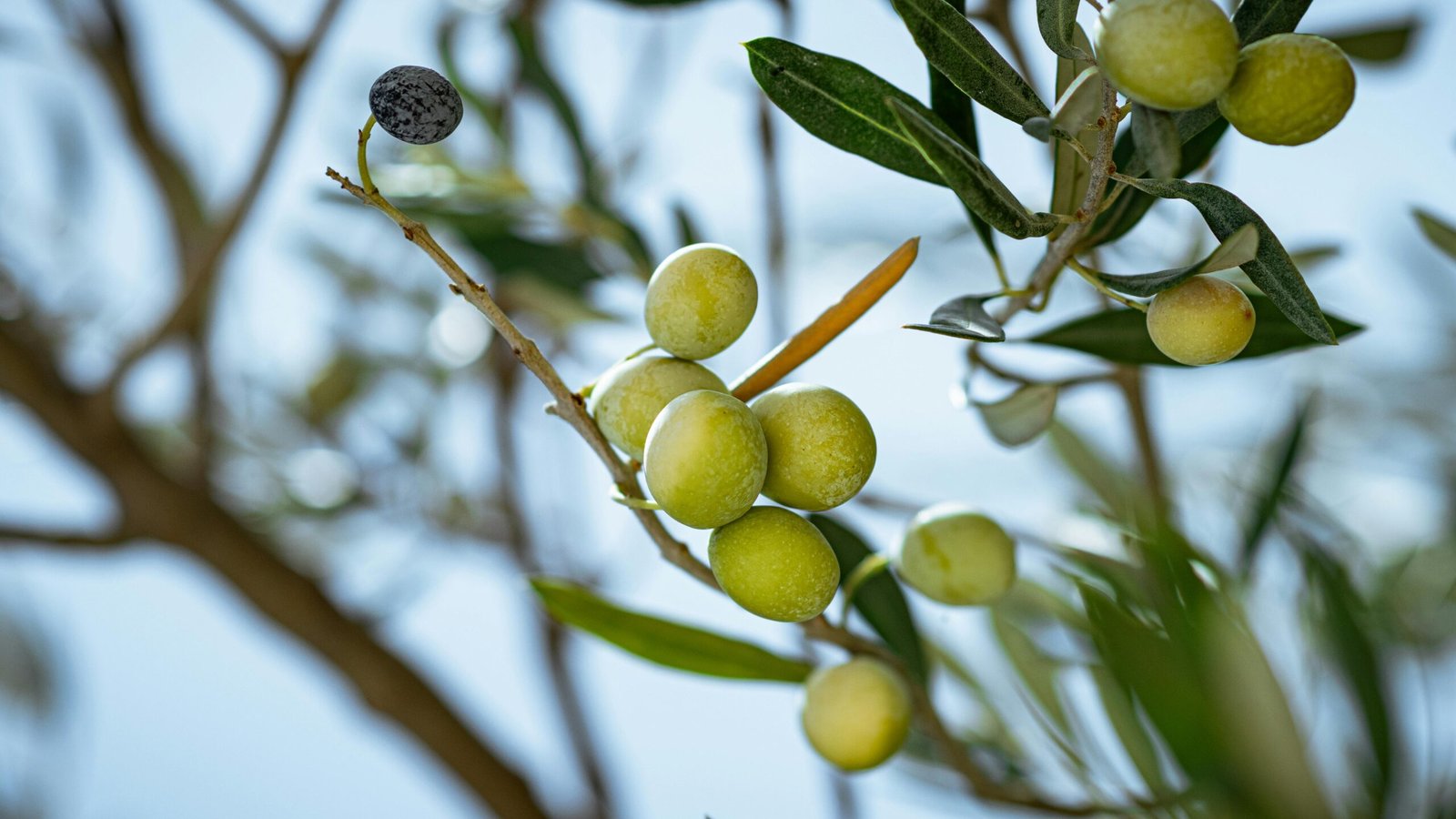
Olea europaea, commonly known as the olive tree, is one of the most iconic and historically significant plants in the Mediterranean region and beyond. Renowned for its longevity, resilience, and agricultural value, the olive tree has been cultivated for thousands of years for its nutritious fruits and high-quality olive oil.
Beyond its culinary applications, Olea europaea holds remarkable significance in medicine, culture, and ecology. From ancient rituals to modern health trends, the olive tree continues to play a vital role in human society. This article provides a comprehensive guide to Olea europaea, including its origin, varieties, cultivation practices, nutritional benefits, and modern uses. By the end, readers will gain in-depth knowledge about this extraordinary plant and its multifaceted importance.
History and Origin of Olea Europaea
Olea europaea is native to the Mediterranean basin, where it has been cultivated for over 6,000 years. Archaeological evidence suggests that olives were first domesticated in regions of modern-day Greece, Turkey, and Syria. The olive tree quickly became a symbol of peace, prosperity, and divine blessing in ancient civilizations.
In Greek mythology, the olive tree was associated with Athena, the goddess of wisdom, who gifted the olive tree to the city of Athens. Similarly, in biblical texts, olive branches often represent peace and hope. Over centuries, Olea europaea spread across Europe, North Africa, and the Middle East, eventually reaching the Americas and Asia through exploration and trade.
Varieties of Olea Europaea
The olive tree has numerous cultivars, each adapted to different climates, soil types, and uses. Common varieties include:
-
Arbequina: Small, aromatic olives ideal for oil extraction.
-
Koroneiki: A Greek variety producing high-quality olive oil with strong flavor.
-
Manzanilla: Popular Spanish olive for table consumption.
-
Picual: Known for its resilience and high oil yield, primarily grown in Spain.
These varieties differ in fruit size, oil content, taste, and suitability for different climates. Understanding the right cultivar is essential for successful cultivation and optimal yield.
Cultivation and Care of Olea Europaea
Growing Olea europaea requires attention to climate, soil, and irrigation:
1. Climate
Olive trees thrive in Mediterranean climates, characterized by hot, dry summers and mild winters. They are drought-resistant but sensitive to frost.
2. Soil Requirements
Well-drained, slightly alkaline soil is ideal. Olive trees can tolerate poor soils but perform best in fertile, loamy conditions.
3. Planting and Spacing
Trees should be planted with sufficient spacing (usually 5-7 meters apart) to ensure proper airflow and sunlight exposure.
4. Irrigation
Young trees require regular watering until established. Mature trees are drought-tolerant but benefit from occasional deep irrigation.
5. Pruning and Maintenance
Pruning helps maintain tree shape, encourages fruit production, and reduces disease risk. It is typically performed annually during dormant seasons.
Nutritional and Medicinal Benefits
Olea europaea is not just agriculturally important; it is highly valued for its health benefits:
1. Olive Oil
Rich in monounsaturated fats and antioxidants, olive oil supports heart health, reduces inflammation, and may lower cholesterol. Extra virgin olive oil is particularly prized for its nutritional profile.
2. Olives
Olives are a good source of vitamins E and K, fiber, and minerals such as iron and copper. Regular consumption contributes to cardiovascular and digestive health.
3. Medicinal Uses
Traditional medicine has long utilized olive leaves and extracts for their antimicrobial, antihypertensive, and antioxidant properties. Modern research supports the role of olive-derived compounds in reducing oxidative stress and promoting overall wellness.
Culinary Uses of Olea Europaea
The olive tree’s versatility is evident in global cuisines:
-
Olive Oil: Used for cooking, dressings, and marinades.
-
Table Olives: Eaten raw, cured, or stuffed as snacks or appetizers.
-
Olive Paste and Tapenade: Popular in Mediterranean recipes for spreads and sauces.
Its culinary significance contributes to both traditional diets and modern health-conscious lifestyles, particularly the Mediterranean diet, which is associated with longevity and reduced risk of chronic diseases.
Environmental and Cultural Importance
Beyond food and health, Olea europaea plays an important role in ecology and culture:
-
Erosion Control: Olive trees prevent soil erosion and improve soil fertility.
-
Carbon Sequestration: They help reduce atmospheric CO₂ levels.
-
Cultural Symbolism: Olives and olive branches symbolize peace, victory, and wisdom across cultures.
Its resilience and longevity—some trees live for centuries—make it a living link between history, nature, and human civilization.
Conclusion
Olea europaea, the olive tree, is a remarkable plant that combines agricultural, nutritional, medicinal, and cultural significance. From ancient civilizations to modern kitchens, it has remained a symbol of health, prosperity, and sustainability.
Understanding its cultivation, varieties, health benefits, and culinary uses allows farmers, gardeners, and consumers to fully appreciate the value of this extraordinary tree. By incorporating olives and olive oil into daily life and promoting sustainable cultivation practices, we honor the legacy and continued importance of Olea europaea.
Frequently Asked Questions (FAQ)
What is Olea Europaea?
Olea europaea is the scientific name for the olive tree, a plant widely cultivated for its fruit and olive oil.
Where is Olea Europaea native to?
It is native to the Mediterranean region, including Greece, Turkey, and Syria.
What are the health benefits of olives and olive oil?
Olives and olive oil provide heart-healthy fats, antioxidants, vitamins, and anti-inflammatory compounds that promote cardiovascular and overall health.
How do you grow Olea Europaea?
Olive trees thrive in Mediterranean climates with well-drained soil, regular watering during establishment, pruning, and sufficient sunlight.
What are the most popular olive varieties?
Common varieties include Arbequina, Koroneiki, Manzanilla, and Picual, each suited for either oil production or table consumption.
