
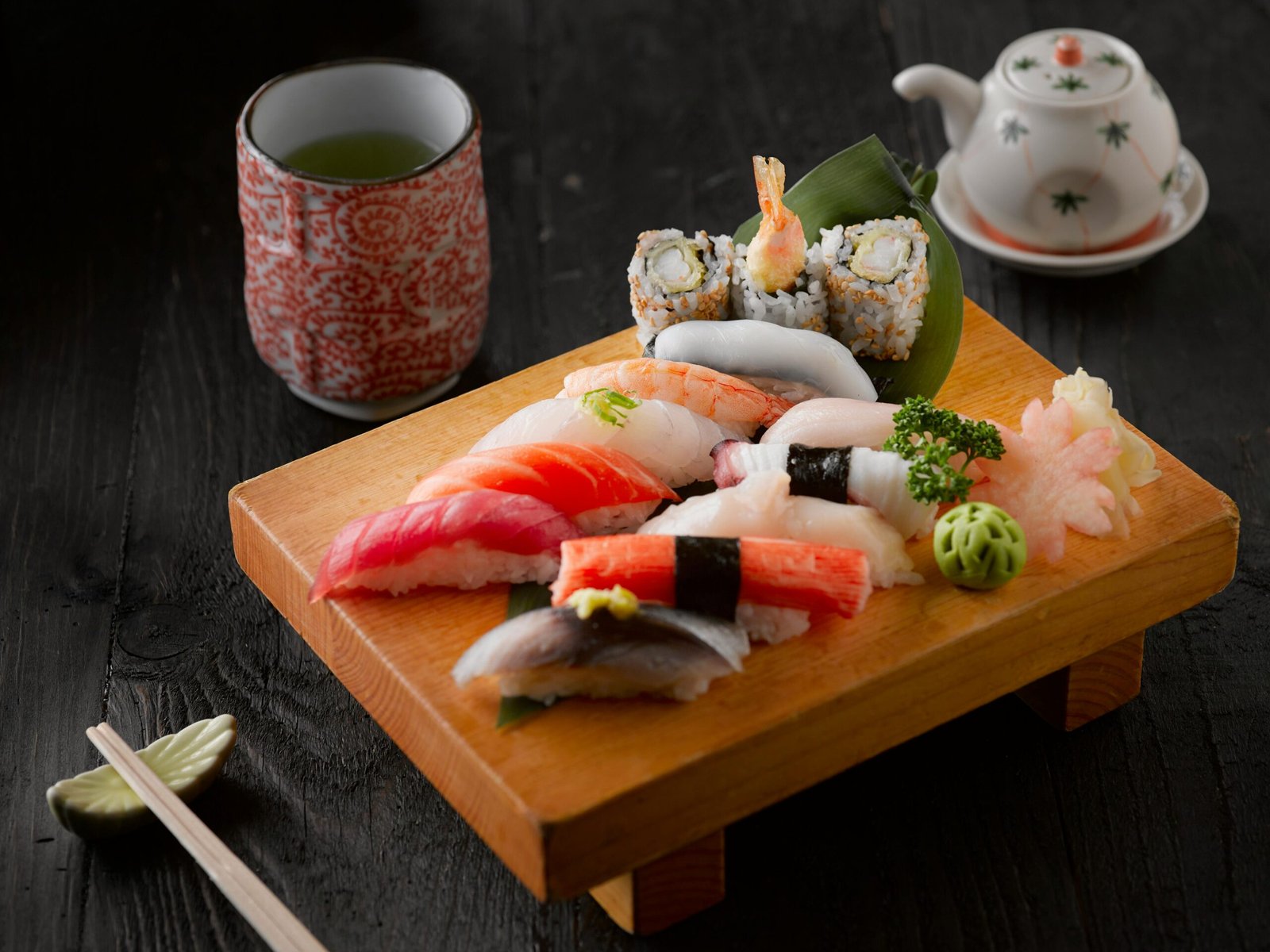
Japanese cuisine is widely admired around the world for its elegance, simplicity, and emphasis on fresh ingredients. Among the many dishes that represent Japanese culinary culture, sushi stands out as one of the most recognizable and beloved. Sushi restaurants can now be found in cities across the globe, offering diners a wide variety of seafood-based dishes prepared with traditional techniques and artistic presentation. Two popular items that often appear on sushi menus are nigiri and sashimi, both of which showcase the beauty and flavor of high-quality seafood.
Although many people encounter these dishes when visiting a sushi restaurant, the difference between nigiri and sashimi is not always immediately clear. Both dishes feature raw fish or seafood as their central ingredient, and both are staples of traditional Japanese dining. However, their preparation, presentation, and cultural significance are quite different. Understanding these distinctions can enhance the dining experience and help people appreciate the artistry behind Japanese cuisine.
Nigiri vs Sashimi highlight the importance of ingredient quality and skilled preparation. In Japanese cooking, chefs often focus on allowing natural flavors to shine rather than masking them with heavy sauces or complicated techniques. The result is a culinary experience that emphasizes freshness, texture, and balance.
In this comprehensive guide, we will explore the differences between nigiri and sashimi, their origins in Japanese food culture, the ingredients used in each dish, and the reasons they remain popular worldwide. Whether you are a sushi enthusiast or someone new to Japanese cuisine, understanding nigiri and sashimi can deepen your appreciation for one of the world’s most refined culinary traditions.
What Is Nigiri?
Nigiri is a type of sushi consisting of a small mound of vinegared rice topped with a slice of raw fish or seafood. The name comes from a Japanese word meaning “to grasp,” which reflects how sushi chefs gently shape the rice by hand before placing the topping on top.
Traditional nigiri often features ingredients such as tuna, salmon, shrimp, or eel. Sometimes a small amount of wasabi is placed between the rice and the fish to enhance flavor. The rice itself plays a crucial role in the dish because it is seasoned with rice vinegar, sugar, and salt to create a balanced taste that complements the seafood.
The presentation of nigiri reflects the artistry of sushi chefs. Each piece is carefully shaped and arranged to create a visually appealing dish. In many sushi restaurants, nigiri is served in pairs and accompanied by soy sauce, pickled ginger, and sometimes wasabi.
Nigiri is closely associated with the broader culinary tradition of Sushi, which originated in Japan and later became popular across the world. The combination of rice and seafood makes nigiri both flavorful and satisfying, offering a balance of textures that many diners enjoy.
What Is Sashimi?
Sashimi is another iconic Japanese dish, but unlike nigiri, it does not include rice. Instead, sashimi consists of thinly sliced raw fish or seafood served on its own. The focus of this dish is entirely on the freshness and quality of the ingredient.
Because sashimi contains no rice or additional components, the preparation requires exceptional skill. Chefs must slice the fish precisely to ensure the correct texture and appearance. The thickness of each slice can influence how the flavor and mouthfeel are experienced by the diner.
Sashimi is typically served with garnishes such as shredded daikon radish, shiso leaves, or other decorative elements that enhance the presentation. Soy sauce and wasabi are commonly provided as dipping condiments.
This dish is deeply connected to traditional Japanese dining culture and reflects the philosophy of simplicity that defines much of Japanese cuisine. By presenting seafood in its purest form, sashimi allows diners to fully appreciate the natural taste and texture of the fish.
Key Differences Between Nigiri and Sashimi
Although nigiri and sashimi both feature raw seafood, several key differences set them apart.
The most obvious difference is the presence of rice. Nigiri includes a small mound of seasoned sushi rice beneath the fish, while sashimi consists solely of sliced seafood. This difference affects both the flavor and the dining experience.
Another distinction is how the dishes are eaten. Nigiri is often eaten in a single bite so that the rice and fish can be enjoyed together. Sashimi, on the other hand, is typically eaten piece by piece and dipped lightly in soy sauce.
Presentation also differs between the two dishes. Nigiri is shaped into small, compact portions, while sashimi slices are usually arranged in an elegant pattern on a plate.
Popular Types of Nigiri and Sashimi
Both nigiri and sashimi can feature a wide variety of seafood. Some of the most common options include tuna, salmon, yellowtail, and shrimp. Each type of fish offers a unique flavor profile and texture.
Certain varieties are considered delicacies in Japanese cuisine due to their rarity or distinctive taste. For example, fatty tuna is prized for its rich texture, while scallops and squid provide a softer, sweeter flavor.
The diversity of ingredients available means that sushi lovers can explore many different combinations and discover their personal favorites.
Cultural Importance in Japanese Cuisine
Nigiri and sashimi represent the essence of Japanese culinary philosophy: simplicity, precision, and respect for ingredients. Sushi chefs undergo years of training to master the techniques required to prepare these dishes correctly.
In traditional sushi restaurants, the relationship between chef and diner is also important. Chefs carefully select ingredients based on freshness and seasonality, ensuring that each dish meets high standards of quality.
These traditions contribute to the global reputation of Japanese cuisine as one of the most refined and respected culinary cultures in the world.
Which One Should You Choose?
Choosing between nigiri and sashimi often depends on personal preference. People who enjoy the combination of rice and seafood may prefer nigiri because it provides a more filling bite.
Those who want to focus entirely on the flavor of the fish may choose sashimi, as it highlights the ingredient without additional elements.
Many diners enjoy ordering both dishes to experience the contrast between them. This approach allows people to appreciate the full range of flavors and textures offered by Japanese seafood cuisine.
Conclusion
Nigiri vs Sashimi are two iconic dishes that showcase the beauty and simplicity of Japanese cuisine. While they share a common focus on fresh seafood, their preparation and presentation highlight different aspects of culinary artistry. Nigiri combines seasoned rice with carefully selected fish to create a balanced and satisfying bite, while sashimi emphasizes the pure flavor and texture of the seafood itself.
Understanding the differences between nigiri and sashimi allows diners to appreciate the skill and tradition behind these dishes. Whether enjoyed individually or together, they represent the elegance and precision that make Japanese cuisine admired worldwide. By exploring these dishes, food enthusiasts can gain a deeper appreciation for the cultural heritage and craftsmanship that define sushi culture.
Frequently Asked Questions (FAQ)
What is the main difference between nigiri and sashimi?
The main difference is that nigiri includes seasoned rice topped with fish, while sashimi consists only of sliced raw fish or seafood.
Is sashimi considered sushi?
No, sashimi is not technically sushi because it does not include vinegared rice.
Which is healthier, nigiri or sashimi?
Sashimi generally contains fewer carbohydrates because it does not include rice.
Can beginners try sashimi?
Yes, many beginners enjoy sashimi because it allows them to experience the natural flavor of fresh seafood.
Why are nigiri and sashimi popular worldwide?
Their emphasis on fresh ingredients, skilled preparation, and elegant presentation makes them highly appreciated in global cuisine.
